
Hype Stories · culture
How Patrick Stewart Became the Captain of Star Trek: The Next Generation
The networks passed, Gene Roddenberry was unsure, and Ian McKellen urged him to stay in theater. Patrick Stewart took the role anyway—and became the captain a generation grew up with.
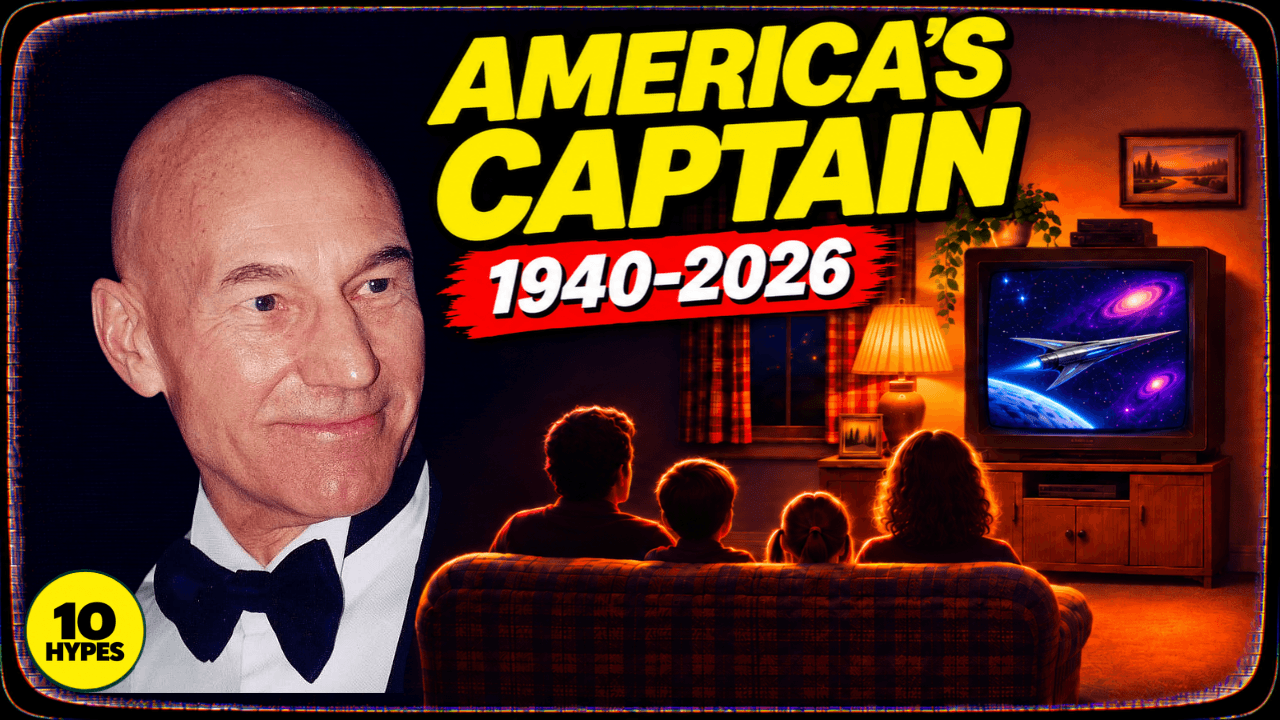
A different kind of captain
When Star Trek: The Next Generation premiered in 1987, its captain was a bald English Shakespearean actor—not the obvious choice for a new American TV hero. Patrick Stewart took the role despite doubts from the show’s creator, a warning from his friend Ian McKellen and the uncertainty of a series no major network wanted.
Stewart had spent years performing Shakespeare on stage. Producer Robert Justman saw him command an audience at UCLA and thought he could lead the new Star Trek series. But Gene Roddenberry, who created the franchise, reportedly didn’t want a bald, middle-aged Englishman for the part.
The character was meant to be French, and Roddenberry reportedly preferred another actor. Still, producers Justman and Rick Berman kept backing Stewart. At one audition, the studio asked him to wear a wig. His wife flew a hairpiece from London; Stewart later joked that he didn’t know if it had flown first class. The executives were impressed—but ultimately wanted to see him without it. The wig went home, and Stewart became Captain Jean-Luc Picard.
His friend Ian McKellen urged him not to take the job, arguing that Stewart had important theater work ahead. Stewart accepted anyway, figuring the opportunity to lead an American television series might not come again. He expected to return to the stage. Instead, he spent seven years with the Enterprise.
A show without a network
The series had its own obstacle: ABC, CBS and NBC all passed. They doubted Star Trek could succeed without Kirk and Spock, and worried an expensive space drama couldn’t survive outside a major network. Paramount sold the show directly to local stations instead, using syndication. That’s why many viewers discovered the Enterprise on the same local channels that aired reruns and after-school cartoons.
On September 28, 1987, more than 200 stations aired the first episode. The first season had rough patches, but the crew soon became central to the show’s appeal: Jonathan Frakes as Riker, Brent Spiner as Data and LeVar Burton as Geordi La Forge, familiar to many young viewers from Reading Rainbow.
Picard makes his mark
Picard was a different sort of hero from Captain Kirk. He listened to his crew, quoted Shakespeare and often talked through trouble rather than fighting his way out. Then came the orders viewers remembered: “Make it so,” and “Engage.” His tea preference—“Tea, Earl Grey, hot”—became another signature.
Even his uniform helped create a bit of Star Trek lore. Stewart said the tight costume caused him pain, and he got a doctor involved to persuade the producers to change it. He continued tugging at the uniform when he stood up; fans named the gesture the Picard Maneuver. Meanwhile, Q, played by John de Lancie, kept challenging Picard—and humanity itself.
In 1990, the Borg captured Picard and transformed him into Locutus. The season ended with Riker ordering an attack on the ship holding his captain, leaving viewers to wait through the summer for the next episode. The cliffhanger became one of television’s most famous.
From syndicated gamble to lasting legacy
By the early 1990s, the series had become hard to ignore. In 1994, it was nominated for the Emmy for Outstanding Drama Series—the only syndicated show ever nominated for that award. Its two-part finale, “All Good Things,” aired on May 23, 1994, earned the series’ highest Nielsen rating and went on to win the Hugo Award.
Across seven seasons and 178 episodes, Stewart helped make Picard a hero defined by calm authority and thoughtful leadership. He returned to the character in Star Trek films and later in Star Trek: Picard. In 2000, he also became Professor Charles Xavier in X-Men, a role he continued through Logan in 2017.
The man Roddenberry reportedly didn’t want, in a show the networks wouldn’t buy, became the captain millions remember. Stewart took the job despite the doubts—and for seven years, Picard made a calm, bald man with a British accent sound exactly like a hero.