
Hype Stories · culture
How Goosebumps Became a Phenomenon—and Nearly Spooked Scholastic
R.L. Stine’s spooky paperbacks spread from playgrounds to TV screens, selling millions of copies. Then a slowdown sent Scholastic’s stock tumbling—and sparked a years-long legal fight.
From making kids laugh to making them shiver
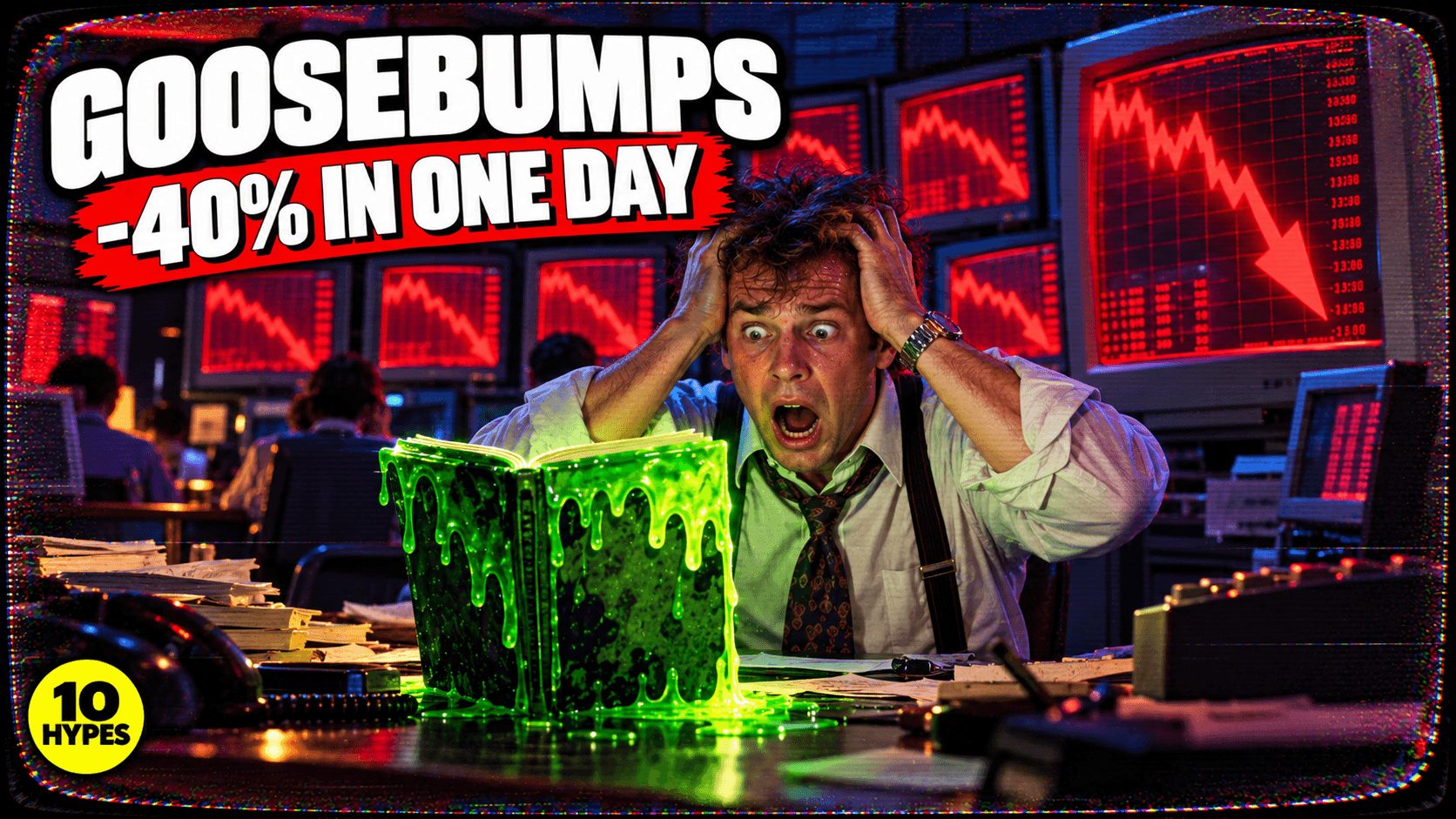
A flashlight, a glossy cover, a title dripping with slime—and a cliffhanger that made bedtime wait. For millions of kids, Goosebumps was more than a book series. At its peak, the spooky paperbacks sold around four million copies a month. But when sales slowed, the craze sent Scholastic’s stock plunging more than 40 percent in a single day.
R.L. Stine moved to New York hoping to write funny novels for adults. Instead, he built a career making children laugh, including as the editor of a kids’ humor magazine under the name Jovial Bob Stine. Then an editor asked him to try horror. His first teen horror novel, Blind Date, sold well, and in 1989 he launched the Fear Street series.
When Scholastic asked him to write scary books for younger readers, Stine initially said no. He eventually agreed to try a few—if the team could find a good name. A TV Guide ad mentioning “Goosebumps Week” supplied it. The first book, Welcome to Dead House, arrived in 1992. By the second, kids were passing the books around.
Cliffhangers, covers and a playground-fueled craze
Goosebumps was built to keep readers turning pages. Stine often began with a title and let it inspire the story; chapters regularly ended on cliffhangers. Tim Jacobus’s glossy, eerie cover art helped make the books hard to overlook at the book fair. Stine wrote quickly, sometimes producing a Goosebumps book and a Fear Street book in the same month.
The series soon sold around a million copies a month, rising to about four million by the mid-1990s. Scholastic sold more than 32 million Goosebumps books in 1995 alone. The books expanded into a Fox Kids TV series, games, clothes and other merchandise, and even a HorrorLand attraction at Disney-MGM Studios. By 1996, Goosebumps accounted for almost 15 percent of Scholastic’s yearly revenue.
A sales slowdown rattles Scholastic
On February 20, 1997, Scholastic said sales of some Goosebumps titles were slowing sooner than expected. Stores were returning unsold books, and the company set aside $13 million to cover the returns. Its stock fell from $61.50 the day before to $36.75 at the close—a drop of more than 40 percent in one day.
The series was still enormous: there were 53 titles and more than 150 million copies in print. The craze hadn’t vanished; it had simply grown so large that a slowdown looked like a crisis. That same year, Scholastic and Parachute Press, which had developed the series with Stine, began suing each other over ownership, including merchandise and TV rights. The dispute ended in 2003, when Scholastic agreed to pay $9.65 million for the Goosebumps trademark and series rights.
Goosebumps gets another chapter
The books kept coming, and the franchise returned to the screen. The 2015 film, with Jack Black playing a version of Stine, earned nearly $159 million worldwide. Goosebumps later returned as a Disney Plus series. The books have sold more than 400 million copies worldwide in 35 languages.
Stine, who came to New York to write funny novels for adults, ended up thrilling generations of young readers with titles, cliffhangers and covers they remembered. And he kept answering fan mail—including one favorite note from a reader who had read 40 of his books and found them “really boring.” Reader beware: you’re in for a scare.